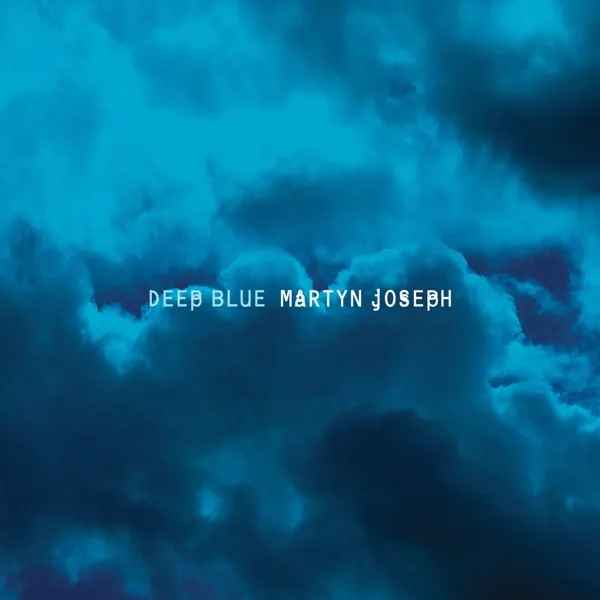
There is a certain amount of comfort when someone hands you the new Martyn Joseph album. In your excitement to hear it, you know that there is no chance that it will be disappointing. You are not so much interested in whether it is good or not -- you can take that as read. There will be a quality to the writing that has had "Whispering" Bob Harris declare him as one of the nation's best songwriters. There will be a literary flair enhanced in places by his long time partnership with poet Stewart Henderson. There will be a weight to the lyrical content that drops depth charges into your soul.
It is that last line that is tugging at you as you put it on for the first time. What topics has he wrapped his songwriting gift around. Which political hot potatoes has he prophesied about? What issues of personal human growth has he given his spiritual insight to? How has he challenged you to rethink yourself and God and the way humans relate to each other, either on a personal or a world stage?
And Deep Blue is full of that and we will get to it but we need to go back. Just when you think you have a pretty good idea of how his sixteenth studio album will sound the Welshman throws some surprise. There has been no departure from his traditional technique of one track vocals that has always given the albums the authenticity of his trademark live performances; the earthiness, the passion and honest vulnerability. Where Deep Blue startles is in the arrangements and production. It is much more thoughtful, careful and precise than anything he has done before.
"Can't Breathe" is the closest to a band and pop sound that Martyn has ever had and is reminiscent of Coldplay. Nigel Hopkins' piano on "I Would Never Do Anything To Hurt You But I Do" does literally hurt in the saddest and gentlest of ways. The strings on "This Fragile World" adds to the precarious drama. Without question this is the most interesting album Martyn has ever released holding your attention musically as well as lyrically from beginning to end with constant jolts of intrigue and beauty. Every dash, dollop and dabble of the extra instrumentation creates a sound that is exquisite and sublime.
So too the lyrical dexterity; this might also be his strongest album when it comes to the trademark lyrics. Over the nine songs and the alternative acoustic version of "Can't Breathe" it is perhaps his most consistent work; simply a deluge of provocative couplets incorporating as always the prophetic power of the political and the poignant tenderness of the personal.
The beautiful grace on the surface of the songs belies the danger lurking beneath as Martyn eyeballs the heart of the world's problems and the problems at the heart of his own world. It is indeed where his songs are a converse to the world described within. The opening Some Of Us ends with "in the vale of circumstances, waiting for grace." It sets us on the 40 minute journey ahead.
Needless to say, Martyn would tackle the War and George Dubya. "How Did We End Up Here" is a remarkable song of political catastrophe, the tragedy of war and the greed of oil revenue. It takes no prisoners. It also gives comment on how God and the Devil feel about the situation but is heightened by the sense of the culpable guilt of us all. Prone to the odd cover (his last album was all covers) Martyn always makes intriguing choices. He has often chosen seventies Christian icon Larry Norman songs. "Six Sixty Six" is the third Norman song he has recorded and has been previously covered, even more intriguingly, by Frank Black. Named on the sleeve it would seem to suggest Joseph snuggling up to the apocalyptic spuriousness of the phenomenally successful Left Behind books series. Instead in the first lines "In the midst of the war/he offered us peace" we are given another twist. With its protest harmonica it works as a close cousin to "How Did We End Up Here."
Elsewhere, we are living on the precarious edge of the vale of circumstance. "This Fragile World" is about one man lost at sea and the helicopter's search to save him. It is as much about the songwriter walking on the beach as the drama unfolds. "I Would Never Do Anything To Hurt You" is about the foolishness, well described by the apostle Paul, of how we do what we don't want to do and don't do what we do. It is Joseph's saddest ever song; up there with his very best.
And yet in the deepest heart of the blue there is light, there is that grace our souls are stretching for now. Yet "Still This Will Not Be" reminds us that one day it will all be turned around and the broken hearted will rule. Justice will have its day and war will cease and hurt will be healed. "Turn Me Tender" is a prayer asking for that process to begin right now, God's kingdom and will being done on earth as it is in heaven, in the caverns of one soul who might somehow in being made tender help in the widest vale of circumstance.
His Welsh roots often raise their head and if I had one slight criticism it is "Proud Valley Boy." Tackling the same mining topic as one of his concert favorites "Please Sir" reminds the world of what Paul Robeson did for the Welsh valleys at the same time as he was fighting inequality in his native America. It has a great message but seems cumbersome in lyric and sound around the sleekness of the rest of this batch.
Yet, it is a decadent complaint. This album is rich in wonder and I get the feeling that when many other Joseph albums are left on the shelf in favour of Best Ofs and Live CDs and DVDs Deep Blue will have to be played in its entirety. Nothing can be programmed out.
Similar sounding releases
 2004Ben ThomasThe Recovery
 1999Bebo NormanTen Thousand Days
 2004Andrew PetersonBehold the Lamb of God: The True Tall Tale of the Coming of Christ
 2002Randy StonehillEdge of The World
 2000Richard ShindellSomewhere Near Paterson
 2002Tony PerryChristmas
More from Martyn Joseph
 2000The Shirley Sessions
 1999Far From Silent
 2003Whoever It Was That Brought Me Here Will Have to Take Me Home
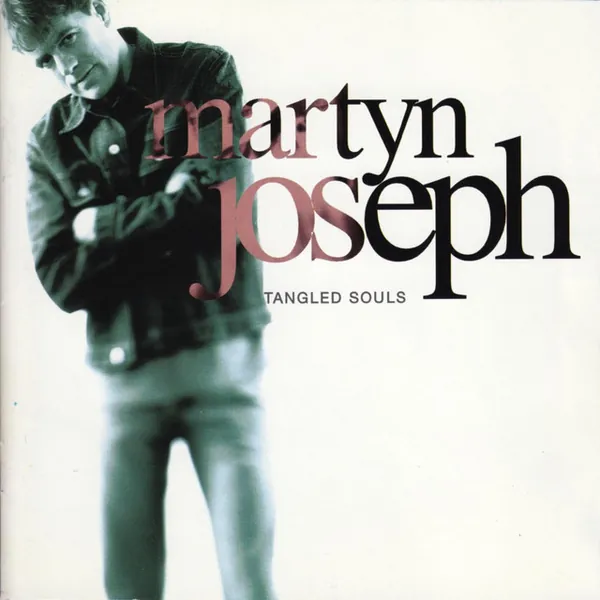 1998Tangled Souls
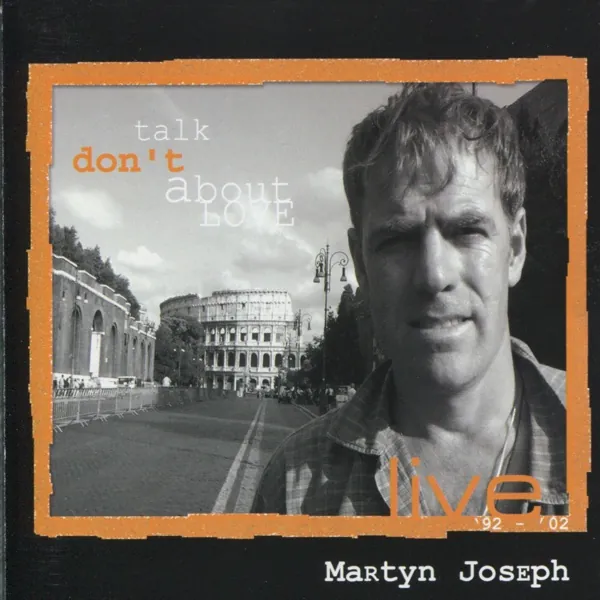 2002Don't Talk About Love
 2004Run to Cover