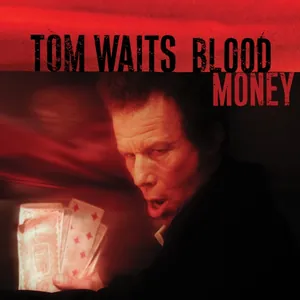
Tom Waits? What a man? That voice? It sounds like the intoxication of tequila and there seems to be some broken glass from the bottle scraping the back of his throat. It should have an 18 rating. It is dark and seamy, welling up in the underground and crawling out like some slithery, slimy monster about to eat up the world. And yet it is lovely and addictive and a taste well worth taking the time to acquire. To not acquire it and miss the shadowy wonder of these two albums released together would be a sad void in your musical experience and indeed theological contemplation.
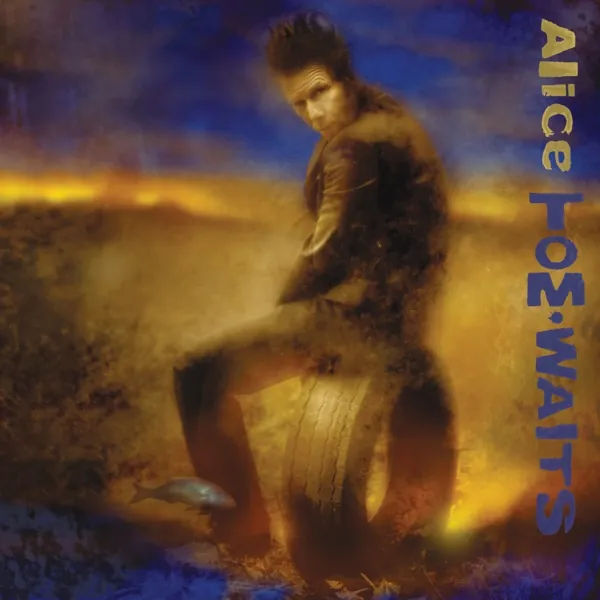
Both albums are from plays that Waits and his wife Kathleen Brennan have written for Alice in 1994 and Woyzeck to be staged at the Barbican in autumn this year. In interviews Waits would say the songs live outside of the plays and so they do. Alice is based in a relationship between Lewis Carroll and the girl in the Looking Glass who gives the album its title and has been described by Waits as being about "repression, mental illness and obsessive compulsive behavior." Blood Money on the other hand is about "the descent into madness." It is perfect and familiar terrain for Waits who has been dealing with people on such margins since his very earliest days.
As a result of the Lewis Carroll storyline there are lots of fairytale references in the gentler arrangements of Alice. As one song says, "everything you can think of is true," and such a theory allows us to be introduced to characters like Edward who has a girl's face on the back of his head and Table Top Joe who has no body!
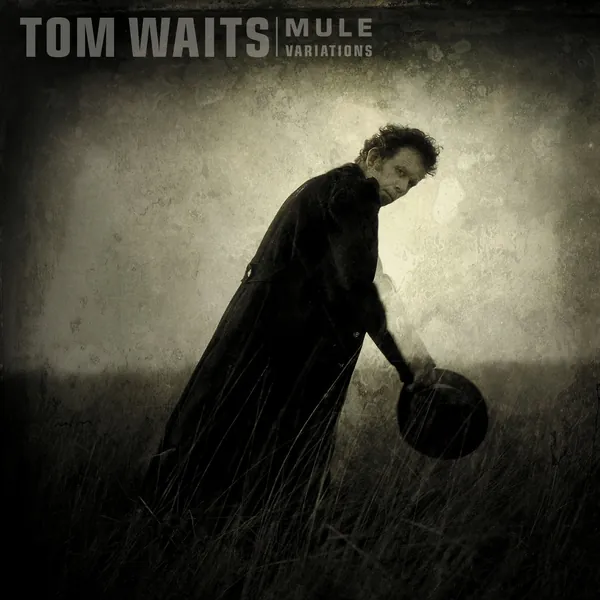
If you are trying to evangelize about the Waits voice then this is the easiest he has been on the ear for quite some time, leading on from the more tender moments on Mule Variations. Be warned about "Kommienezuspadt" though. Rough! There is some beautiful poetry abounding throughout with lots of roses, flowers, moons, oceans, expensive wines and sweet perfumes. On "Watch Her Disappear" he begins, "Last night I dreamed that I was dreaming of you/and from the window across the lawn I watched you undress/wearing a sunset of purple tightly woven around your hair/that rose in strangled ebony curls moving in a bedroom light." In the end, though, the dream and the lover disappear and we are left with that hopelessness that overshadows both works.
Not that there is not the usual lashing of clever word play and humor running arithmetic into arithmetock gives you a wry smile of admiration. In "Lost In the Harbour" he philosophizes, "Everyone's hiding their tears/But they're crying inside/And the wall won't come down/'Til they're no longer afraid of themselves" before ambushing the listener by summoning the perfect witness to the stand, "If you don't believe me/Ask yourselves." The man is a genius with his originality in the tale and in the telling.
If Alice leaves you looking for some kind of grace in the prettiest of poetic pieces, then Blood Money is the even darker side. There is a much more sinister clatter and clack to the trademark Waitsian staccato percussion. Beginning with "Misery Is the River of the World" and later "Starving In the Belly of a Whale" this is about as close as anyone has ever got to making John Calvin's theology of Total Depravity into three minute pop songs, not that these are the pop song variety that would ever be pleasant enough for most radio stations. The former and lead off track is almost a career piece and takes on the deep dark nature of man and finds little scope for any kind of hope. He suggests that all the goodness in the world would take up so little room in a thimble that there would still be room for you and me. His gloomy conclusion is:
If there's one thing you can say
About Mankind
There's nothing kind about man
You can drive out nature with a pitch fork
But it always comes roaring back again.
If only someone had told Karl Marx and indeed the Christian theologians have been trying to convince humanist philosophers for years that the nature needs dealing with before anything can be accomplished in the changing of things. "Everything Goes To Hell" as the next track gives little let up and, in truth, another beautiful love ballad "Coney Island Baby" is the only relief throughout. "Lullaby" has been deemed another chink of vaguest light but even there the baby is told to get ready for the possibility of daddy not waking up in the morning, "Don't you cry, don't you weep/Nothing's ever yours to keep/Close your eyes; go to sleep." Maybe the fact that he is not sounding like Satan on Judgement day on this track has given the idea that this is less nihilistic.
Nihilistic it could be described and yet that particular philosophy seems to me to be one where belief that there is no God is a given. God and his cosmic engagements with the devil is very much present here, just that as Waits puts it he seems to be "away on business." Hot Press who are not too Gospel greedy to put it mildly described the album as "Jesusless." I found that a fascinating observation from such a 'proud to be secular' magazine. For those who believe (unlike me) that people need to hear the bad news before they can appreciate the good news of the Gospel then this album should be taken on their door to door evangelism. If Hot Press is left wondering where Jesus is in the plot then there must be a very potent power in these scripts. Still "a man must test his mettle/In a crooked 'ol world" and crooked is a good word to describe all things Waits but it is a crooked like the sentimental twists of an Irish shillelagh. You love it! In "God's Away On Business" Waits suggests that there is a compromise that we should all avoid whether in art or life and it is certainly true of his work and of spiritual pilgrimage, "Goddamn there's always a big temptation/To be good, to be good/There's always the cheddar in the mousetrap baby/It's a deal, it's a deal." This is badness that provokes a search for the good but never settles for just being "good." There is more to Waits and faith than that!
Other coverage for this album
ReAL Magazine 2002Reviewed by Jeremy KeillorAbsolutely Tom Waits with the rambling calliope sound and his trademarked vocal growl. Lyrically rather bleak, the album opens with "Misery Is the River of the World" and "Everything Goes to Hell." Musically Blood Money combines the slower pacing of Closing Time with the harsher sounds of Rain Dogs. If you're a fan, grab this album; if you're not, leave it on the shelf; and if you haven't heard…Similar sounding releases
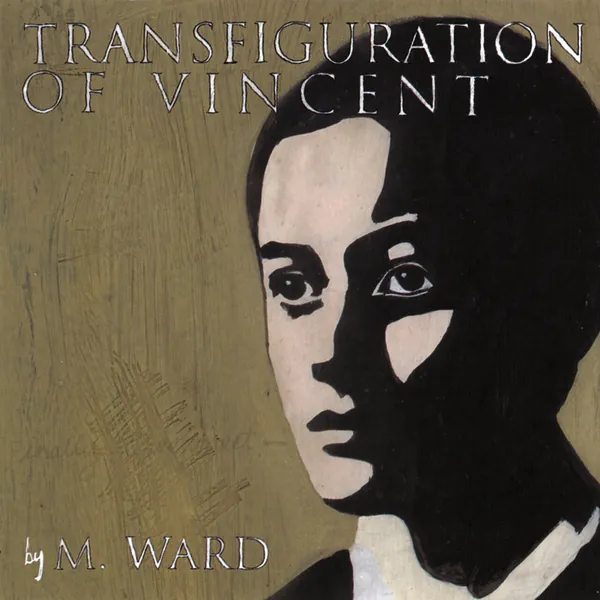 2003M. WardTransfiguration of Vincent
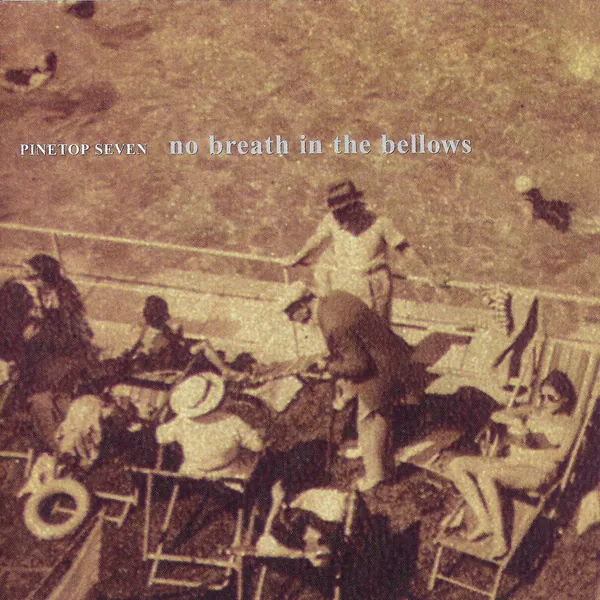 1998Pinetop SevenNo Breath in the Bellows
 2002Steve Von TillIf I Should Fall to the Field
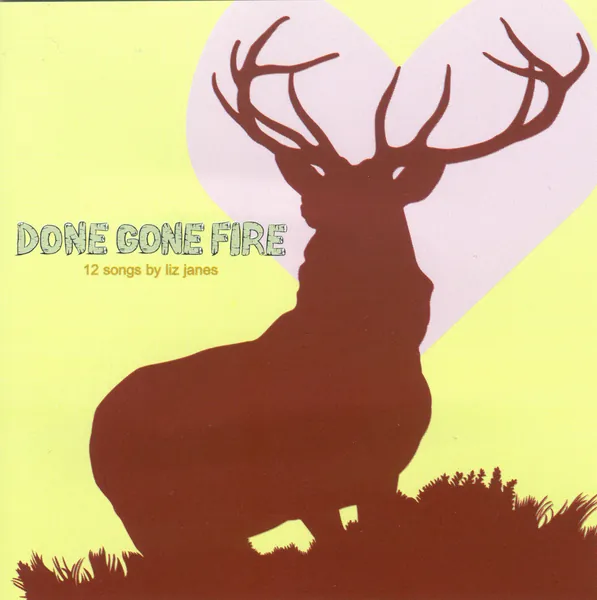 2001Liz JanesDone Gone Fire
 1997TindersticksCurtains
 1999David SylvianDead Bees on a Cake