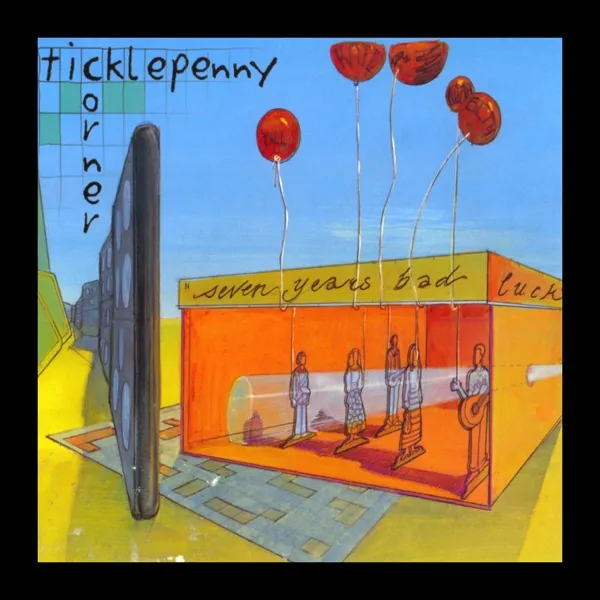
Pop quiz: What do the harmonica, banjo, and Jewish Gypsy music have in common?
Normally, you'd be right if you answered, "Nothing." The rich sounds of the traditional Eastern European Jewish music known as Klezmer are full of instruments such as the cello, violin, bass, dobro, riq, dumbek, and mandolin. Banjos and harmonicas belong a world apart, in the realm of bluegrass. Yet, composer/instrumentalist Sandy Weltman has seamlessly incorporated them into Klezmer music, providing a unique sound that captivates the imagination.
A Jew immersed in jazz and bluegrass from childhood, Weltman found a love for his Jewish roots in Klezmer music only after his conversion to Christianity. Already highly accomplished in the banjo and harmonica (he is able to pull 32 notes out of a diatonic harmonica), it was natural for him to combine them with Klezmer. The result was The Klezmer Nuthouse.
Joined by a handful of world-class musicians, Weltman has crafted a delightful album that is sure to be enjoyed by Jews and non-Jews alike. From traditional Klezmer songs such as "Mazel" to bluegrass-tinged arrangements like "Kishiniever Bulgar (Breakdown)," Nuthouse delivers a warm mix full of celebration, joy, and deep tradition.
4.5 tocks
Other coverage for this album
The Phantom Tollbooth 2003Reviewed by Marie AsnerFor first-time listeners, Klezmer music may sound like polka music with Middle Eastern flavor. Klezmer means instruments used in songmaking, and from about 1400 or so has come to mean the music by a Jewish musician. The usual instruments used are accordion, clarinet, drums, and perhaps a violin. There is a talented group of musicians gathered for this CD. Besides Sandy Weltman on banjo and…Similar sounding releases
 2003Earl Scruggs / Doc Watson / Ricky SkaggsThe Three Pickers
 2005Old School Freight TrainPickin' on Ben Harper: Speak Out
 2004Sharon ShannonLibertango
 2005Tim O'BrienFiddler's Green
 2003Paddy Keenan / Tommy O'SullivanThe Long Grazing Acre
 2002Nickel CreekThis Side